High Risk Surgical Margins
Approximate U.S. Cases a Year
Cancer resections (open/robotic/laparoscopic) within the chest, abdomen, pelvis and extremities.
Minimally invasive procedures within the chest, abdomen, pelvis and extremities.
Positive surgical margins
Local tumor recurrence
Average cost per patient: $100,000 (due to recurrence)
Recurrence accounts for 35% of Cancer mortality
“Local tumor recurrence has a profound impact on the ability to cure cancer. It requires multidisciplinary management that is expensive and rarely successful. The best strategy to manage local tumor recurrence is to do everything possible to avoid it.”

Dr. Douglas Arthur
Professor and Chairman, Department of Radiation Oncology
Massey Cancer Center, Virginia Commonwealth University
Patient Impact
Real Patient Stories
How intraoperative seed brachytherapy changed lives
Saving a Young Mother's Arm
“I was told my cancer had wrapped around the nerves and blood vessels in my arm and that amputation might be my only option. My surgeons removed the tumor and placed tiny radioactive seeds where the cancer had been. Twenty years later, I still have my arm—and my life back.”
A 42-year-old mother of four developed a fourth recurrence of breast cancer in the armpit of her dominant arm. The tumor wrapped around the artery and nerves that control the arm. Instead of amputation, surgeons placed tiny radioactive seeds along the artery and nerves. Twenty years later she still has full use of her arm and no evidence of cancer.
When Radiation Comes From the Inside
“After my rectal cancer surgery, the doctors were worried a few cancer cells might still be hiding near the pelvic wall. They placed a small patch with tiny radioactive seeds right at that spot. Those seeds delivered radiation exactly where it was needed. Six years later, I’m still cancer-free.”
A 61-year-old man underwent surgery for rectal cancer that had grown right up against the pelvic wall. Before closing the operation, a small mesh containing dozens of tiny radioactive seeds was placed against the pelvic wall. Six years later he remains cancer-free.
A Second Chance After Cervical Cancer Returns
“My cervical cancer came back years after I had radiation. I thought I had run out of options. During surgery my doctors placed tiny seeds that slowly release radiation directly where the tumor had been. Four years later, my scans are still clear.”
A 65-year-old woman faced devastating news when cervical cancer returned deep in her pelvis. Because more external radiation was not safe, doctors placed a thin patch containing tiny radioactive seeds over the area during surgery. Today, four years later, she is living an active life.
A Child's Cancer Near the Brain
“Our 11-year-old son had a tumor near the base of his skull. Removing everything could have damaged important nerves. The surgeons removed most of it and placed tiny radioactive seeds to treat the rest. Today he’s back in school, playing sports, and cancer-free.”
An 11-year-old boy was diagnosed with a rare tumor growing at the base of the skull near critical nerves. Surgeons placed delicate sutures containing microscopic radioactive seeds along the remaining tumor bed, protecting nearby brain structures. Today he is thriving, nine years cancer-free.
Avoiding a Permanent Colostomy
“When my rectal cancer came back, I feared losing normal bowel function forever. Instead, my surgeons removed the tumor and placed tiny radiation seeds in the area where the cancer had been. Five years later I’m cancer-free—and living a normal life.”
A 56-year-old woman had recurrent rectal cancer growing into the pelvic sidewall. Instead of a permanent colostomy, surgeons removed the tumor and placed a small mesh containing radioactive seeds against the pelvic wall. Five years later she has no recurrence and normal bowel function.
Tiny Seeds Protect a Major Artery
“My pancreatic tumor was right next to a major artery. The surgeon removed it but said the margin was extremely close. Tiny radioactive seeds were placed along the artery to treat any remaining cells. Knowing the radiation was working exactly where it was needed gave me incredible peace of mind.”
A 69-year-old woman underwent surgery for pancreatic cancer that had grown directly against a major artery. Sutures containing tiny radioactive seeds were placed along the artery. Three years later she continues to do well with no evidence of recurrence.
Treating Cancer Without Re-Radiating the Whole Neck
“My throat cancer came back years after radiation therapy. I thought more radiation wasn’t possible. During surgery the doctors placed tiny seeds right next to the artery where the cancer had been. I’m four years out now and still cancer-free.”
A 58-year-old man developed a recurrence of throat cancer years after receiving radiation therapy. Unlike traditional radiation, tiny radioactive seeds deliver radiation from the inside out, treating only the small area at risk. Four years later he remains cancer-free.
Saving a Teenager's Ability to Walk
“My bone cancer was in my pelvis near the nerves that control my leg. The surgeons removed the tumor and placed tiny radiation seeds along the edge of the surgical area. Eight years later I’m still walking, traveling, and living my life.”
A 14-year-old girl had a bone cancer growing in her pelvis next to the nerves that control the leg. Surgeons placed sutures containing tiny radioactive seeds along the edge of the surgical area. Eight years later she remains cancer-free and fully active.
Lung Cancer Close to the Heart
“My lung cancer was removed, but the tumor had reached the edge of the tissue. My doctors placed small radioactive seeds along that spot during surgery. Those seeds quietly delivered radiation where the cancer might come back. Five years later my scans are still clear.”
A 72-year-old man had surgery for lung cancer located near major blood vessels in the chest. Using a special device, surgeons placed tiny radioactive seeds along the margin before closing the chest. Five years later he remains free of disease.
Protecting the Arm Nerves
“My shoulder tumor was wrapped around the nerves to my arm. Losing function was a real possibility. After removing the cancer, my doctors placed tiny radiation seeds along the nerve bundle. Eight years later I have full use of my arm and no sign of cancer.”
A 46-year-old man developed a recurrent soft-tissue cancer in the shoulder after earlier radiation therapy. Surgeons placed a thin mesh containing radioactive seeds along the nerve bundle. Eight years later he still has full use of his arm and no sign of recurrence.
Intra-Operative Permanent Seed Brachytherapy (IPSB)
This technique is most frequently employed when surgical margins are close or positive.
Highly effective and minimally toxic “boost” dose of irradiation maximizes local tumor control.
Over 80 years of clinical efficacy and safety data.
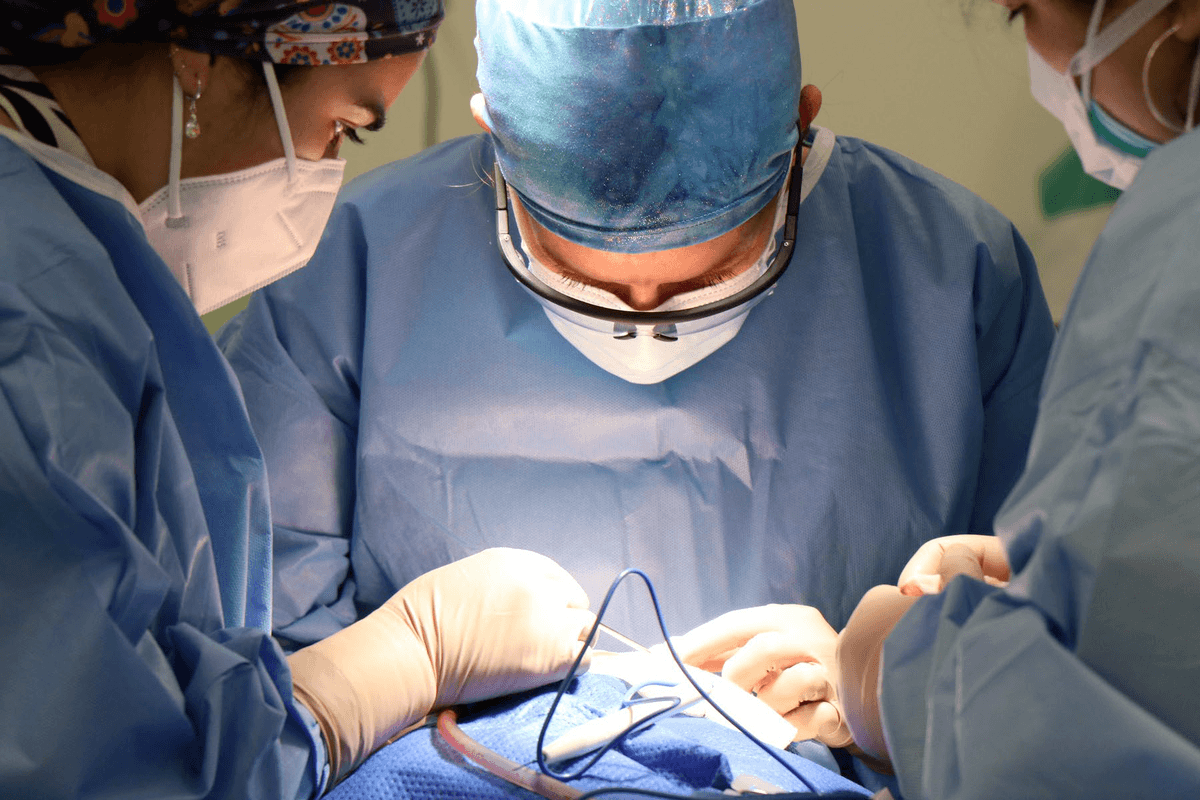
Current Landscape
IPSB, Though Highly Effective, Is Underutilized
Existing methods face significant limitations that restrict adoption and effectiveness
Current IPSB Strategies
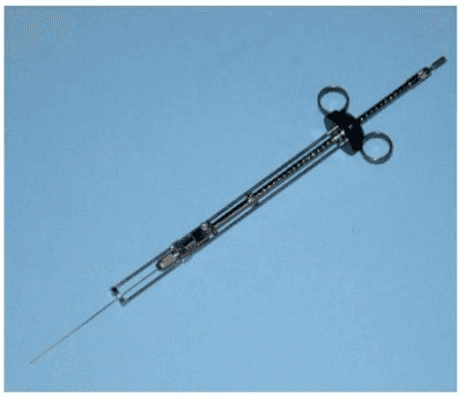
"Free Hand" Seeds
Manual placement of individual radioactive seeds during surgery
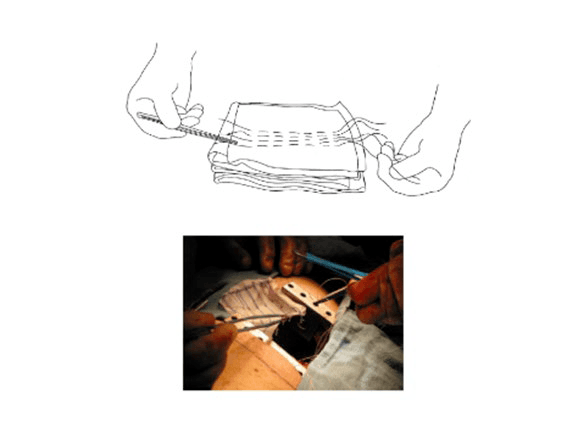
Seed-Embedded Mesh
Radioactive seeds pre-loaded into surgical mesh
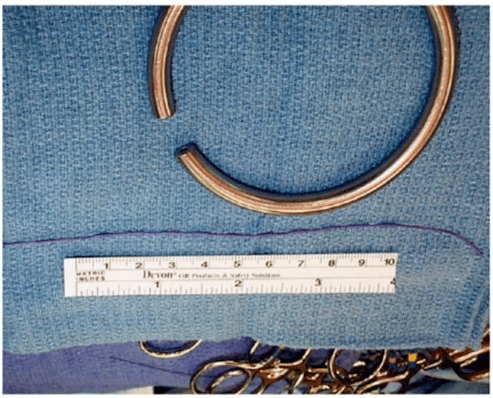
Seed-Embedded Sutures
Radioactive seeds integrated into surgical suture material
Critical Limitations of Current Methods
Not Adaptable to MIS
None of the current methods are suitable for minimally invasive surgical techniques which now dominate the type of surgical procedures.
Unpredictable Dose Distribution
All methods result in inconsistent radiation dose delivery to the target area, as locations are not fixed and seeds can migrate
High Personnel Exposure
Methods result in increased radiation exposure to operating room personnel
BrachyClip Addresses These Challenges
Our innovative clip-based delivery system provides predictable dosimetry ensuring fixed location, enables minimally invasive application, and reduces radiation exposure to surgical personnel
What is BrachyClip®?
A novel device for precise radiation delivery during minimally invasive surgery
Minimally Invasive
Secure positioning of radioactive seeds with minimal tissue disruption through a handheld applicator system
Precise Dosimetry
Advanced dosimetry planning ensures optimal radiation delivery while protecting healthy tissue
Immediate Treatment
Intra-operative application can eliminate the need for repeat surgeries
Platform Technology
Designed for multiple tumor types and future payload delivery capabilities beyond brachytherapy seeds
How It Works
Standard I-125 Brachytherapy Seed
Uses standard available AgX100 I-125 radioactive seeds — no proprietary consumables required.
Sealed in Titanium Surgical Clip
The radioactive seed is inserted and sealed into the titanium tube, ensuring immobile and precise radiation dose distribution.
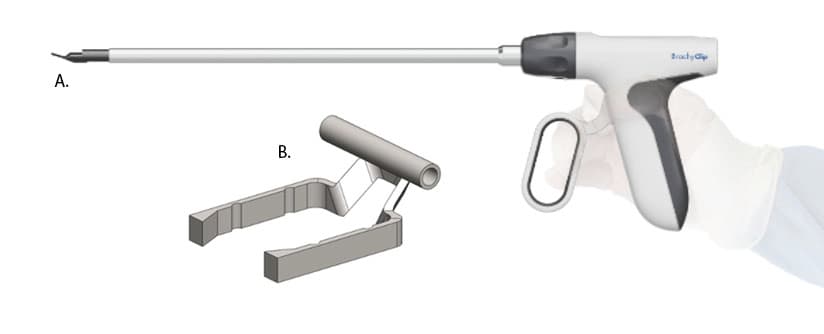
Magazine-Loaded Delivery
Clips are loaded into a magazine of up to 20 for continuous deployment through standard laparoscopic or robotic trocars.
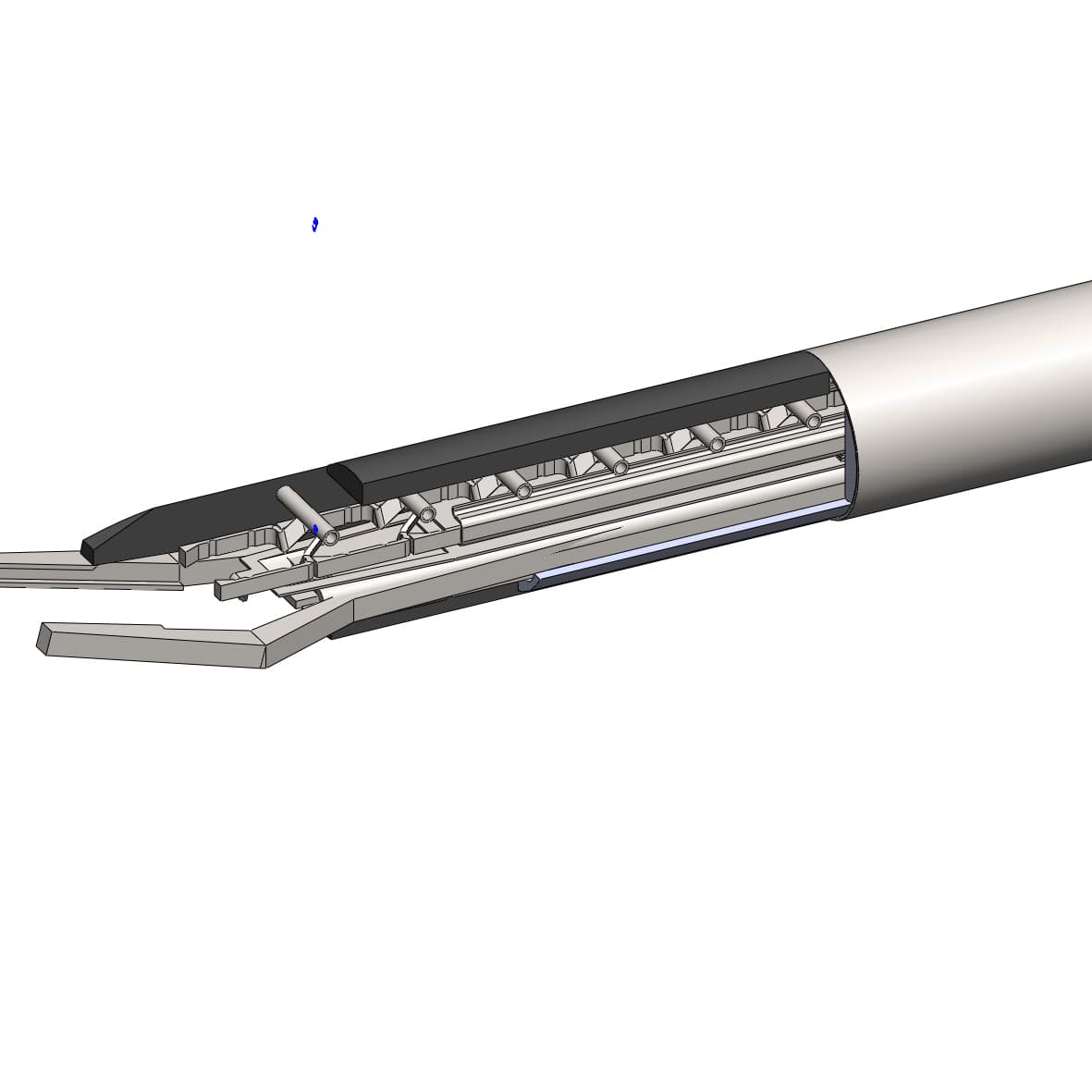
Ergonomic Handheld Device
- Precision and ease of use in minimally invasive surgeries
- Compatible with standard laparoscopic and robotic trocars
- Seamless integration into existing workflows
- Holds magazine of up to 20 clips for continuous deployment
- Tactile feedback ensuring secure placement
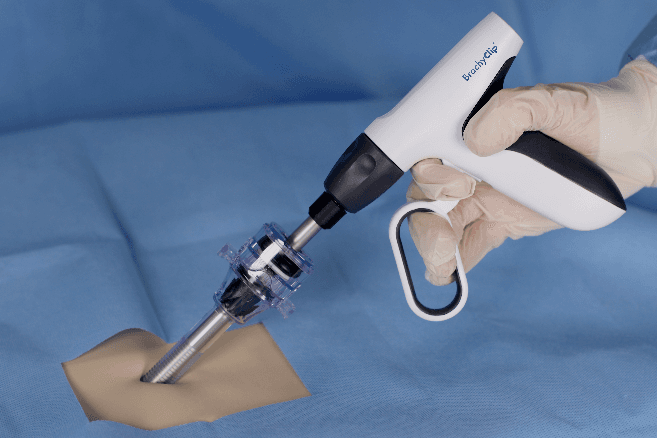
Titanium Clip Technology
- Encapsulates radioactive seeds for stable positioning
- Ensures immobile, precise radiation dose distribution
- Uses standard available seeds incorporated into delivery system
- Radioactive seed inserted and sealed into titanium tube
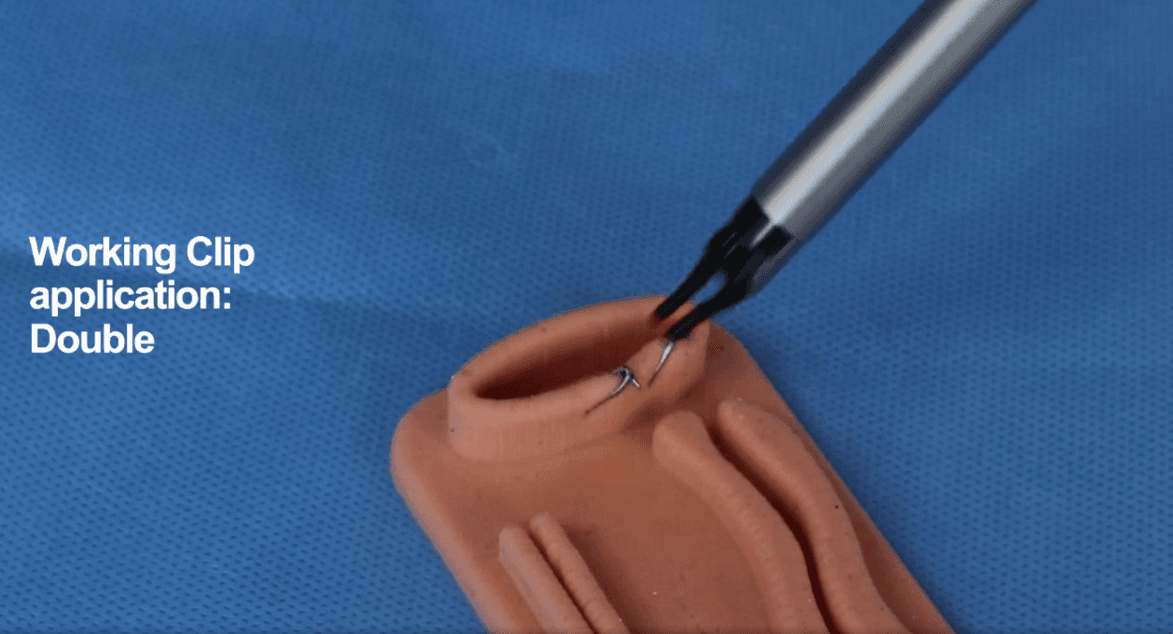
Clinical Evidence
Endorsed by Leading Clinicians
Key opinion leaders recognize BrachyClip's potential to transform surgical margin management
“With the rise of minimally invasive, robotic surgical techniques, IPSB became impractical and forgotten. BrachyClip gives us back a powerful tool to minimize the risk of local tumor recurrence.”
Dr. Gyan Pareek
Chief of Urology, Lifespan Hospitals; The Warren Alpert Medical School at Brown University; President, Brown Urology
“With BrachyClip, the potential benefit is so large and the risk of complications so low that I am tempted to use them on every patient.”
Dr. Scott Kelley
Surgical Oncologist at Watson Clinic; Chief of General Surgery at Lakeland Regional Medical Center
Projected Clinical Impact
Projected annual healthcare savings from reduced re-excisions and complications
Local control rates through precise radiation delivery to high-risk margins
Patient burden with single-procedure treatment vs. repeat surgeries
Comparison to Alternative Treatments
BrachyClip offers significant advantages over external beam radiation therapy (IMRT, SBRT) and systemic treatments:
- ✓Single intra-operative treatment vs. weeks of daily radiation
- ✓Localized radiation minimizes systemic side effects
- ✓Lower total cost than extended radiation courses
- ✓Improved quality of life with reduced treatment burden
Progress & Milestones
Critical Milestones Achieved
Significant progress demonstrates technical feasibility and commercial viability
Prototype Development
Functional prototype completed and evaluated in pre-clinical testing
Prototype Development
Functional prototype completed and evaluated in pre-clinical testing
Manufacturing Partners
Established relationships with precision manufacturing partners
Manufacturing Partners
Established relationships with precision manufacturing partners
Strategic Partnership
Letter of support from Theragenics Corporation, market leader in brachytherapy seeds
Strategic Partnership
Letter of support from Theragenics Corporation, market leader in brachytherapy seeds
Intellectual Property
Patent applications filed covering core technology and applications
Intellectual Property
Patent applications filed covering core technology and applications
SBIR Phase 2 Award
$2.1M funding submitted from NIH for product development through validation
SBIR Phase 2 Award
$2.1M funding submitted from NIH for product development through validation
Dosimetry Optimization
Advanced computational modeling completed by leading academics to optimize treatment planning
Dosimetry Optimization
Advanced computational modeling completed by leading academics to optimize treatment planning